

Documents & Language
Document Intelligence Datasets
Structured annotations for documents, OCR, extraction, classification, and language workflows.
End-to-end data services for AI development — from expert annotation and dataset preparation to validation, evaluation, and quality assurance.
Clear specifications, defined annotation protocols, calibrated workflows, and structured review help translate complex requirements into precise, consistent data.
Specialized data requires more than labeling. Domain-informed expertise brings the terminology, context, and judgment needed to interpret difficult cases and make informed, consistent decisions.
Quality is built into every layer through defined standards, validation, discrepancy resolution, structured review, and continuous improvement. Documentation, review outcomes, and measurable quality signals make the process and results visible.
From images and documents to scientific, biological, geospatial, and multimodal datasets, workflows adapt to the structure, domain, requirements, and purpose of each project.
Complex data requires more than labels — it requires context, expertise, and quality at every stage of the data lifecycle.
Precision starts with understanding the task. Every project begins with understanding its purpose, requirements, data, and quality expectations.
We then build the workflow around those requirements—combining appropriate expertise, structured processes, technology, and review.
We agree the task, labels, edge cases and quality targets with you, and write them into clear guidelines.
We annotate a small sample to those guidelines. You review it, and we refine the approach together.
The full dataset is labelled to the approved guidelines, with progress updates along the way.
Experts check the work, resolve disagreements and track measurable quality signals before sign-off.
You receive the data in your format, with guidelines, review outcomes and quality documentation.
Images, video, audio, text, documents, 3D, and more — labelled, reviewed, and validated to your specification.
Boxes, polygons, masks, keypoints, and tags for still images.
Frame-by-frame labels, object tracking, and event tagging over time.
Transcription, speaker labels, and sound event tagging.
Entities, intent, sentiment, classification, and relations in text.
Layouts, fields, tables, and handwriting in scanned documents.
3D cuboids, point segmentation, and sensor fusion labels.
Footprints, land cover, and change detection in aerial imagery.
Pathology slides, cells, tissues, and medical scans.
Human review, ranking, and benchmark data for AI model outputs.
Auditing, correcting, and cleaning existing labelled data.
Our core domains, where we go deepest, followed by the other industries we serve. Select one to see how we prepare, annotate, and validate data for it.
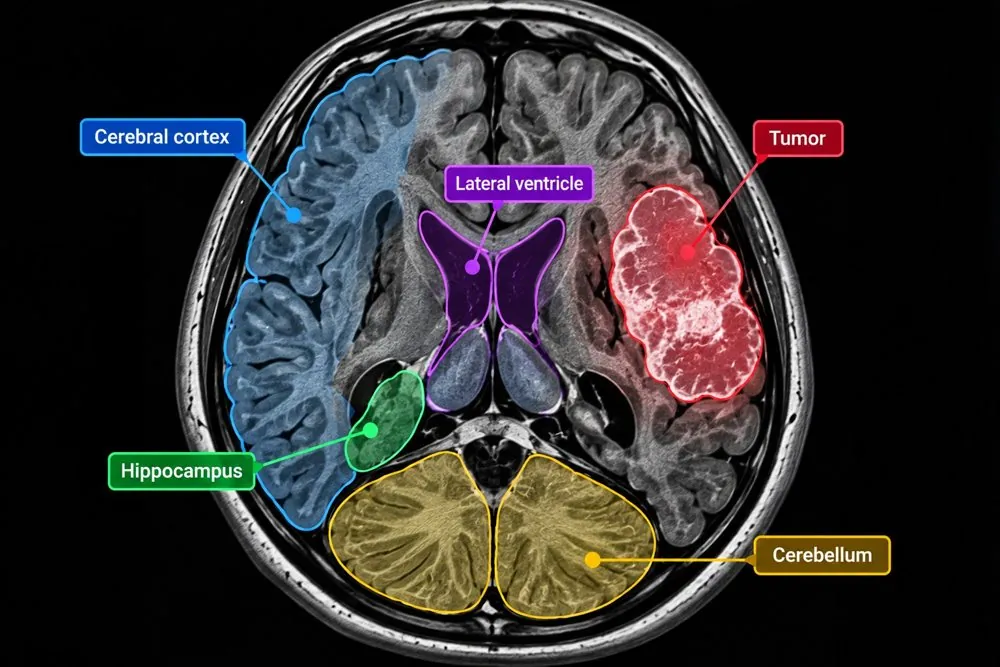
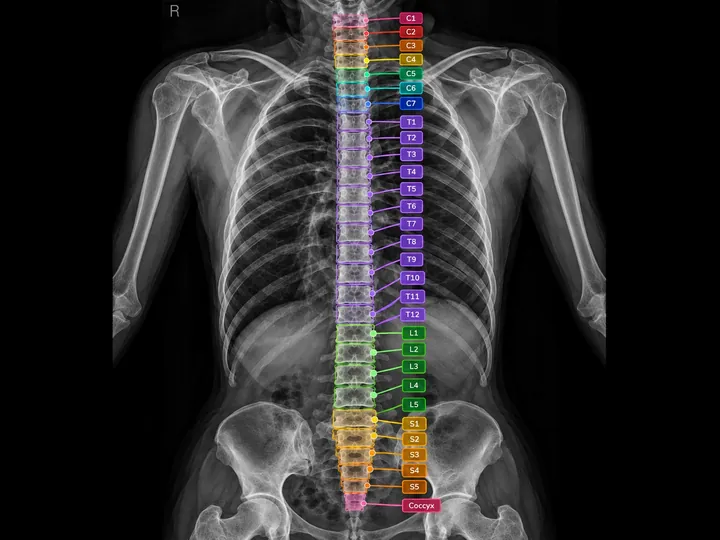
Domain-informed annotation for medical imaging, pathology, and biological data, built on strict specifications and expert review.
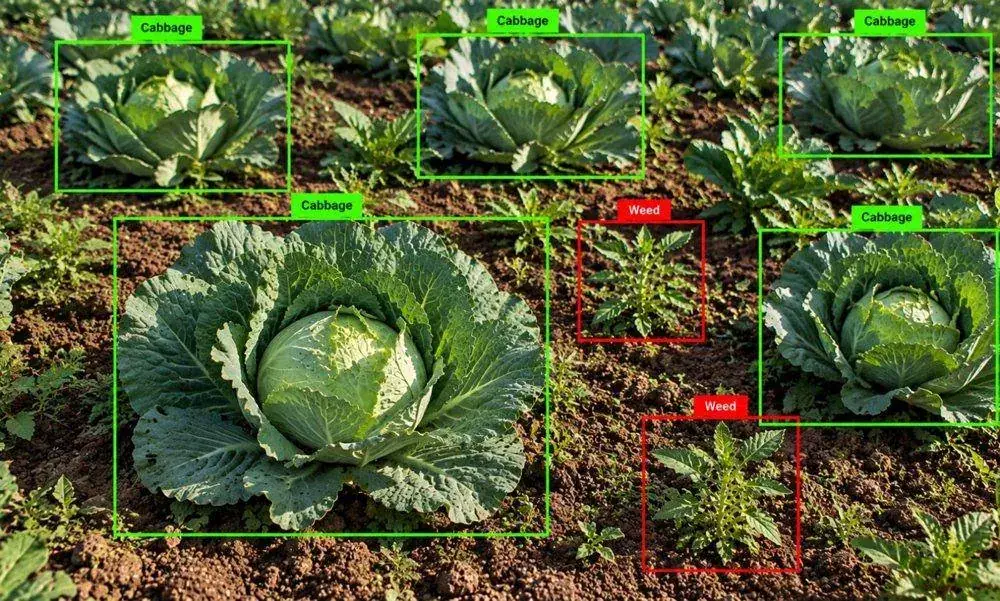
Field-ready labels for crop, disease, weed, and pest datasets across ground, drone, and satellite imagery.
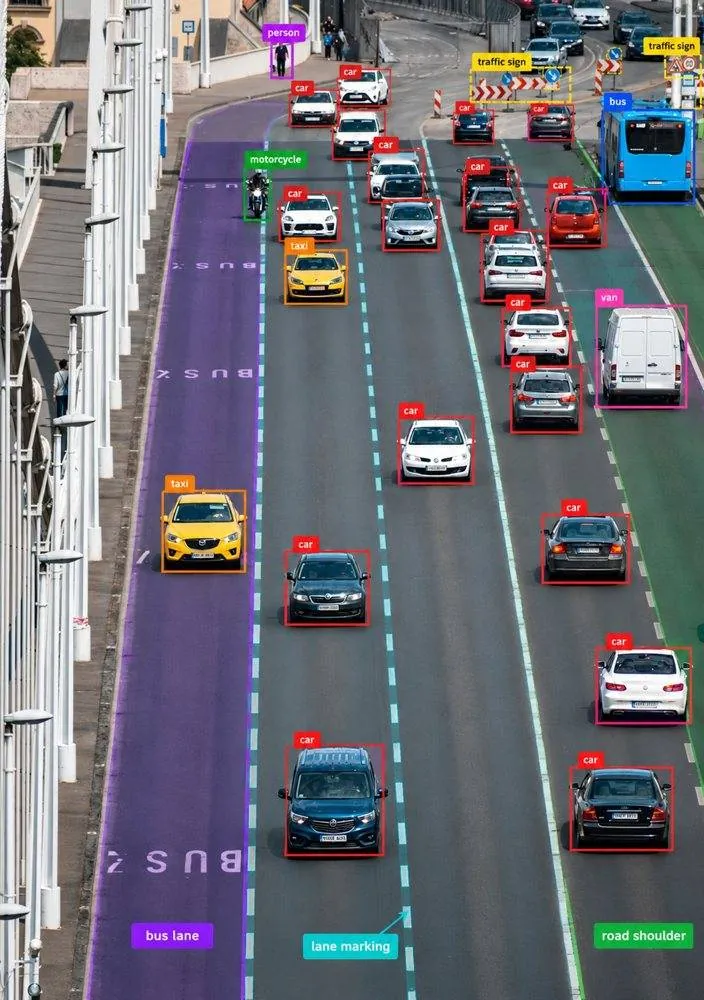
Labeling camera, LiDAR, and radar data for perception, ADAS, and automotive AI.
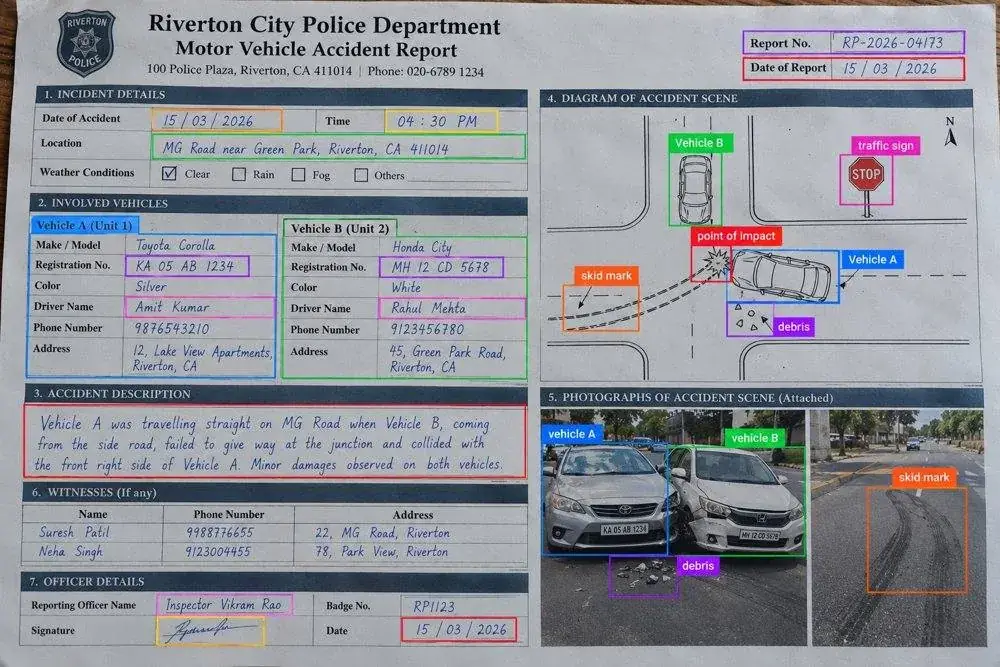
Structuring financial documents, claims, and records for extraction and risk models.
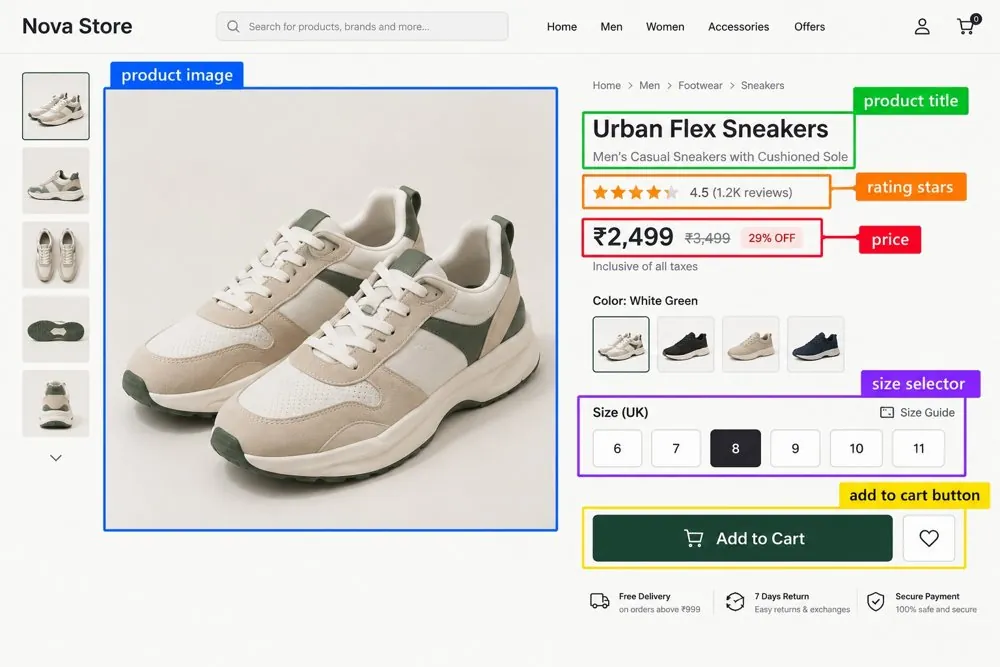
Tagging products, catalogs, and shopper imagery for search, recommendation, and visual AI.
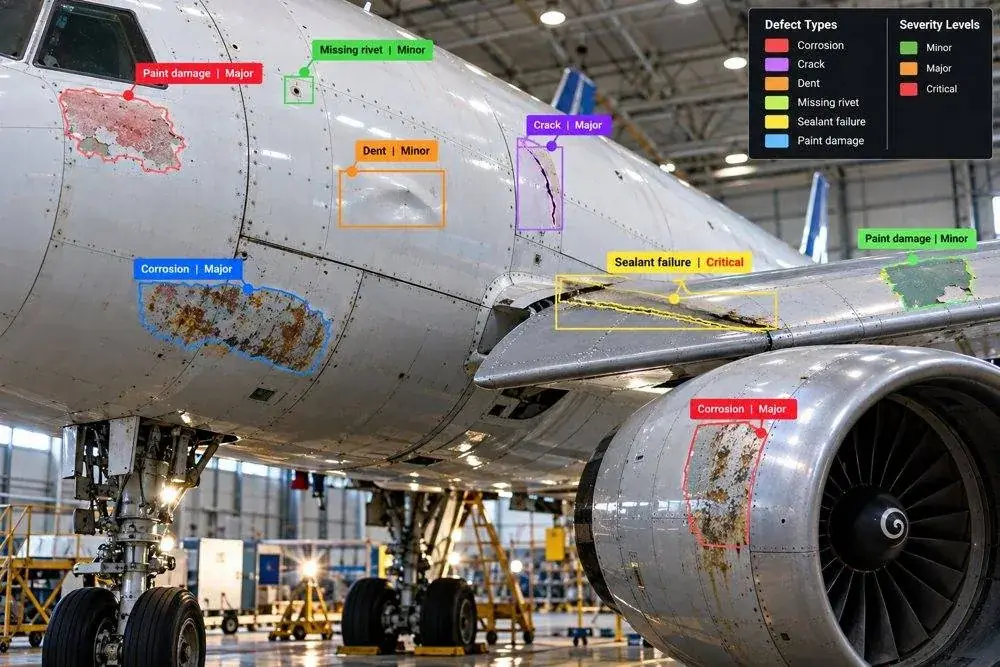
Labeling defects, parts, and production imagery for inspection and industrial AI.
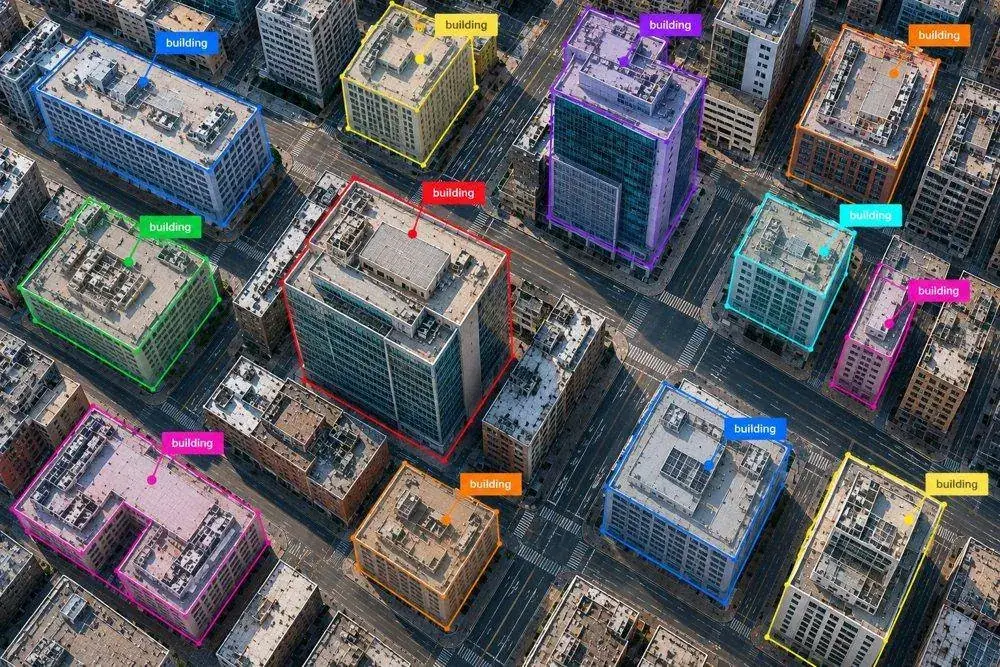
Labeling satellite, aerial, and geospatial imagery for mapping and earth observation.
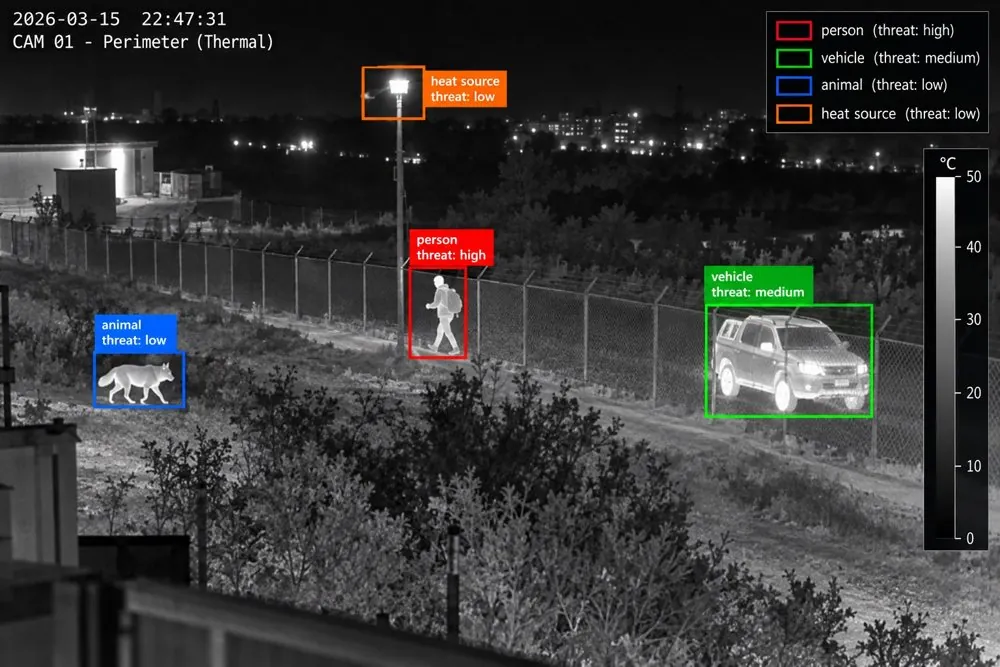
Annotating video and imagery for detection, tracking, and safety monitoring.
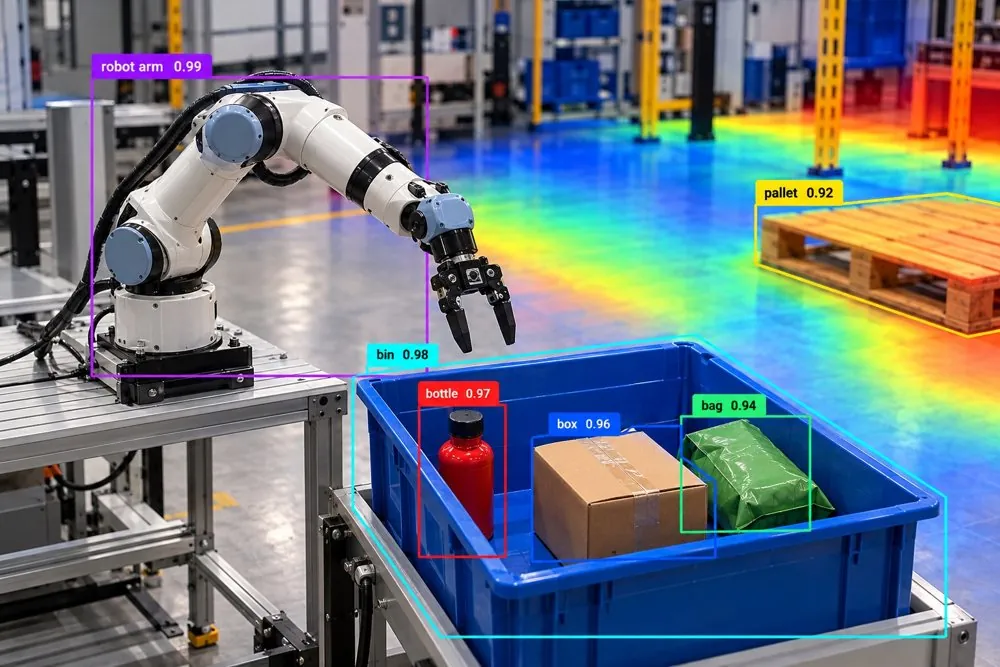
Labeling sensor, vision, and manipulation data to train perception for robots.
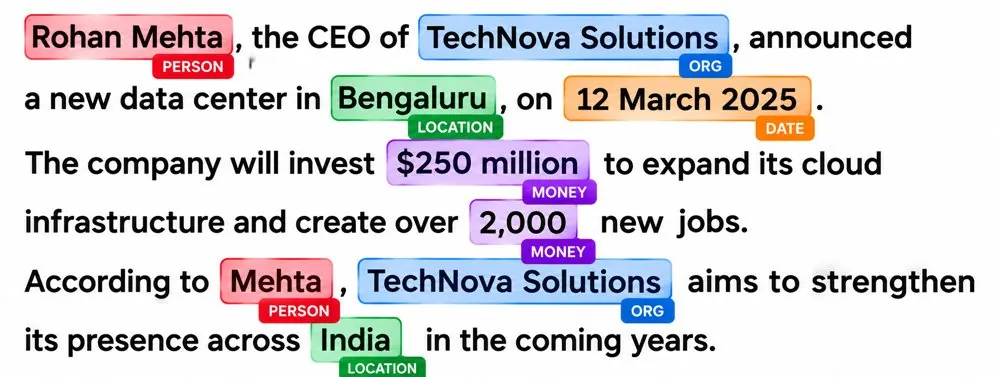
Extracting and labeling text, tables, and fields in documents for OCR and document AI.
Browse every industry we annotate data for.
Where expertise becomes usable data. Domain knowledge, structured schemas, and quality-focused workflows come together to create datasets designed for training, evaluation, benchmarking, and research across specialized fields.
Structured annotations for documents, OCR, extraction, classification, and language workflows.
Domain-specific datasets supporting biological imaging, research, and quantitative analysis.
Curated datasets designed to assess model outputs, task performance, consistency, and failure cases.
Turning expertise into evidence. Explore research, papers, case studies, benchmarks, and emerging ideas from across the AI and data landscape, alongside perspectives and work developed by Eidoryx.
Correct labels alone don't guarantee reliable data. Consistency, coverage, and validation matter too.
Read moreSome data requires more than labeling — it requires specialized knowledge, context, and judgment.
Read moreRare, unusual, and ambiguous cases can reveal where AI systems and their data fall short.
Read moreWe email you to confirm your slot and send the video call link. On the 30-minute call we walk through our workflow and quality checks. If it’s a fit, we can run a small pilot on your data.
Yes. We annotate a small sample to your guidelines and you review the results. You can check quality and agree the approach before we scale up.
Either. We work in your tool or ours, whichever suits your project and security needs. We deliver in the formats your pipeline needs, such as COCO, YOLO, Pascal VOC, JSON, CSV and custom formats. We agree these at scoping.
Yes, all data is reviewed by experts before final verification and delivery. Our directors have biotechnology, healthcare and agriculture backgrounds. For specialized projects we can also bring in qualified reviewers or your own specialists.
You do. We don’t use it to train or improve any AI model unless you authorize it in writing. We agree this with you at the start of each project.
We limit access to the people who need it and protect accounts with authentication controls. Depending on the project, we also use encryption, secure transmission and confidentiality obligations. See our Data Policy, or email contact@eidoryx.com.
Talk to our team about annotation programs, datasets, and enterprise AI infrastructure tailored to your domain.